


Ophthalmic Products for Eye Infections – The eyes can be sensitive and easily affected by irritants, environmental pathogens and microbial invaders, which is why it is important to preserve clear and healthy vision in our daily lives. If left untreated, the harmful organisms can lead to discomfort, inflammation and may cause complications with vision when they enter the eye and overcome its natural protection.
Fortunately, today’s medical progress has led to the development of a range of sophisticated Ophthalmic Products that can effectively target, treat and reduce these eye diseases. This blog will delve into the most prevalent eye infections, the mechanism of action of eye care formulations, and guidelines on safe use of eye care.
Ophthalmic Products and Ocular Health
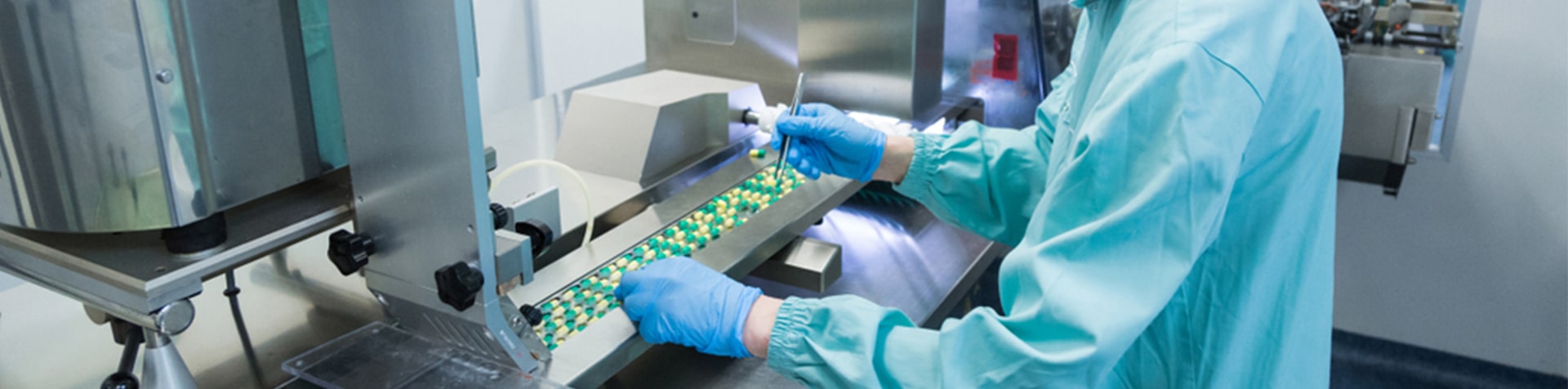
They are special formulations of pharmaceuticals, such as liquid drops, gels and ointments, used directly on the eye to treat localized conditions. These treatments have to meet stringent production requirements to ensure absolute sterility, pH balance, and biocompatibility because the eye is an extremely sensitive and delicate organ.
The topical products are given directly to target areas of infection and inflammation, as opposed to oral products which travel through the whole body. This precision delivery ensures that the treatment’s therapeutic effects are optimized and side effects in the body are minimized.
Recognizing Common Eye Infections and Their Symptoms
Eye infections can be caused by various types of microbes and the treatment must be different depending on the type of infection. It is essential to be able to identify the root cause correctly for an effective management.
- Bacterial Conjunctivitis (Pink Eye): Thick yellow/green discharge, severe redness of the eye and eyelids are glued together in the mornings.
- Viral Keratitis or Conjunctivitis: Usually associated with upper respiratory infection or viral strains with watery discharge, light sensitivity and the gritty sensation.
- Fungal and Parasitic Infections: Less common but severe conditions frequently associated with improper contact lens hygiene or trauma from organic matter.
Best Practices for Safe Application and Care
Applying medication properly will assure optimal absorption and no secondary contamination. Patients need to follow some simple safety guidelines:
- Hygiene First: Wash hands properly with soap and the water before handling bottles or touching area of the eye.
- Avoid Direct Contact: Never let the dropper tip touch your fingers, eyelashes or the surface of the eye.
- Complete the Course: Even if the symptoms subside in a few days, finish the full prescription regimen to remove the infection.
Final Thoughts
Protecting your vision requires the prompt medical attention, proper hygiene and the correct application of targeted ophthalmic products. Knowing the signs of infection and following the medical advice given, you can recover quickly and safely. If you are looking for the manufacturing excellence, strong quality assurance and dependable healthcare solutions in this area, you can rely on the expert standards upheld by Kaizen Pharmaceuticals.
FAQs
Can I use leftover eye drops from a past infection?
No, opened eye drops can become contaminated and lose their sterility over the time.
How long do bacterial eye infections take to clear up?
Most bacterial infections improve significantly within two to five days of the treatment.
Are antibiotic eye drops effective against viral pink eye?
No, antibiotics target bacteria and have no therapeutic effect on the viral pathogens.
How should opened eye drop bottles be stored?
Store them in a cool, dry place away from the direct sunlight as directed.